…in adults 55 and over. A cataract is the clouding of the lens of the eye. Normally, light passes through the clear lens and is focused onto the retina. However, as a result of the aging process, the lens becomes cloudy, which is called a cataract. The cataract blocks the passage of light through the eye and causes blurred vision. Most people notice increasing difficulty with night vision and an overall decline in vision as cataracts progress.
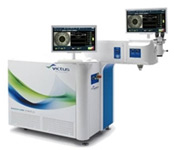
Laser cataract surgery today involves the use of the VICTUS Femtosecond Laser Platform. This is a highly advanced system designed to provide greater precision than manual cataract surgery techniques. The Femtosecond laser emits optical pulses of extremely short duration in the domain of femtoseconds, as short as one-quadrillionth of a second. These ultra-short pulses do not transfer heat or shock to the material being cut and can make surgical incisions with extreme precision. The technology allows more precise incisions than can be made manually, which results in improved patient outcomes.

Monofocal Lens:
Monofocal Toric Lens:
Extended Depth of Focus Lens:
Extended Depth of Focus Toric Lens:
Monovision with Monofocal Lens:
Multifocal Lenses:
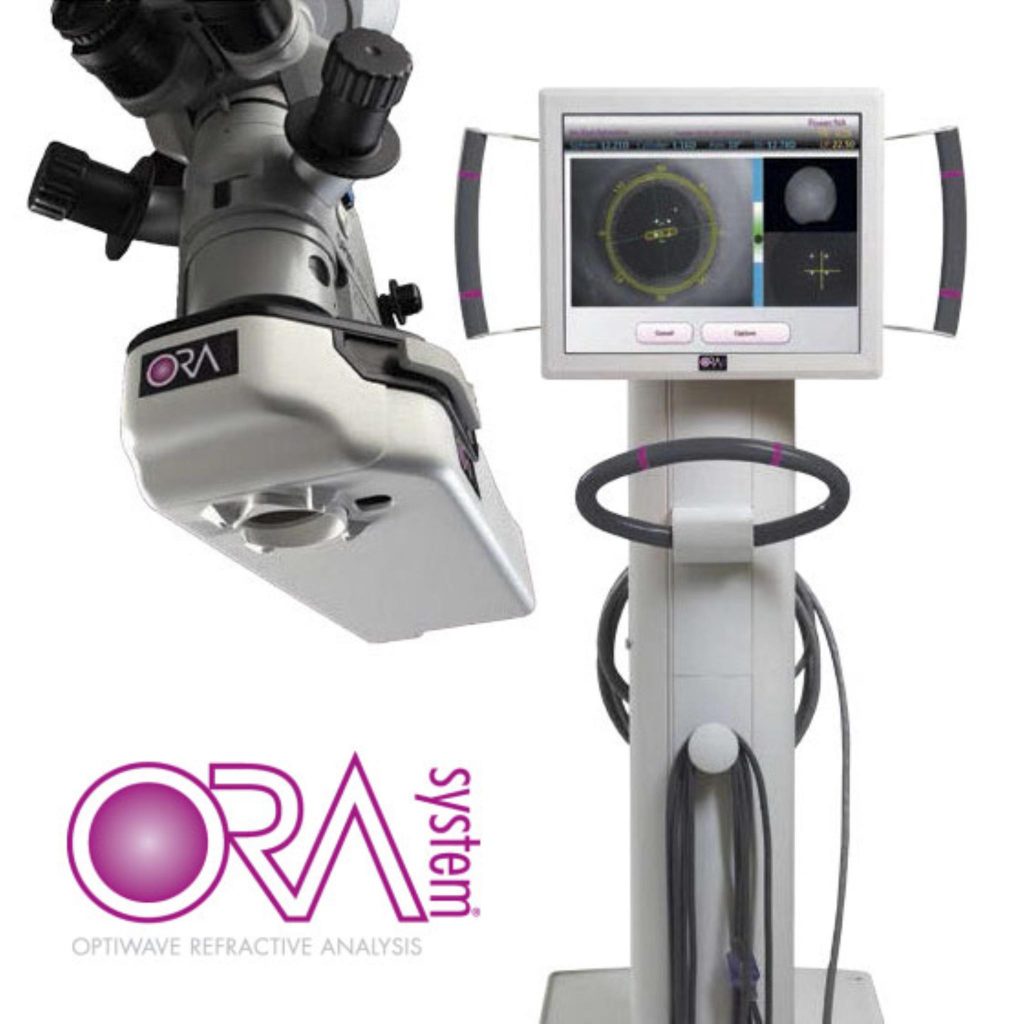 THE ORA SYSTEM
 Dr. Konowal utilizes the ORA System ™ with VerifEye+™technology for guidance and verification for cataract refractive surgery. The ORA technology utilizes laser interferometry to perform measurements of the corneal curvature and axial length of the eye during cataract surgery to assist in choosing the most accurate intraocular lens implant. The ORA system is especially useful in patients with astigmatism and in patients that have had prior LASIK or other refractive surgery. The wavefront technology optimizes any cataract procedure to ensure the best possible outcome. The state-of-the-art device provides an unprecedented new level of accuracy to help reduce the chance that you will need to wear eyeglasses after cataract surgery.
A Breakthrough Innovation
Our most advanced Odyssey IOL yet, going beyond the limits of current trifocals.
Explore all the patient educational videos for Alcon cataract and refractive care series. These videos are designed to ease patient concerns, enhance their confidence, and foster more insightful discussions during consultations.
What causes a cataract?
Cataracts are usually part of our normal aging. The average age for cataract surgery is 72 years old. Cataracts can be caused by eye injury, smoking, overexposure to sunlight or by use of steroids. Diabetics tend to develop cataracts sooner. A cataract can develop in one eye or both eyes.
When should a cataract be removed?
Cataract surgery should be performed when vision is interfering with activities of daily living. The inability to see road signs clearly, read a book or recognize faces are a few reasons for surgery.
Is cataract surgery effective?
Cataract removal is one of the most common procedures performed in the USA, and is one of the safest and most effective types of surgery. In fact, Dr. Konowal’s patients resume normal activities, including driving a car the next day.
How long does cataract surgery take?
Dr. Konowal can perform cataract surgery in less than 15 minutes. No needles or injections are given around the eye and there are no stitches to remove. Patients go home with no patching of their operated eye.
What type of anesthesia is used?
Dr. Konowal orders a light sedative called “twilight sedation.” The Anesthesiologist will be in the operating room with Dr. Konowal to monitor you during the procedure. This sedation leaves your body very quickly, and many patients feel like going out for breakfast afterwards.
How much does cataract surgery cost?
Since cataract surgery is medically necessary, it is covered by your medical insurance. Dr. Konowal accepts assignment from Medicare and most insurance companies. If you have Medicare and a supplement, patient is still responsible for any deductibles and/or co-insurances. Patient is also responsible for the cost of prescription drops before and after surgery.
What can I do to protect my vision?
Wearing polarized sunglasses, may help slow progression of cataracts. Smoking has been known to cause yellowing of the lens. Studies show nutrition is beneficial in preventing all disease.
What is Astigmatism?
When the surface of the cornea has an uneven curvature which causes blurred or distorted vision because of light rays are not focused at one spot to provide clear vision.
Where do you perform the surgery?
Konowal Vision Center performs our surgery procedures at St. Marks Surgical Center. For map, directions and photos, CLICK HERE